
Witten by: Ying Chia
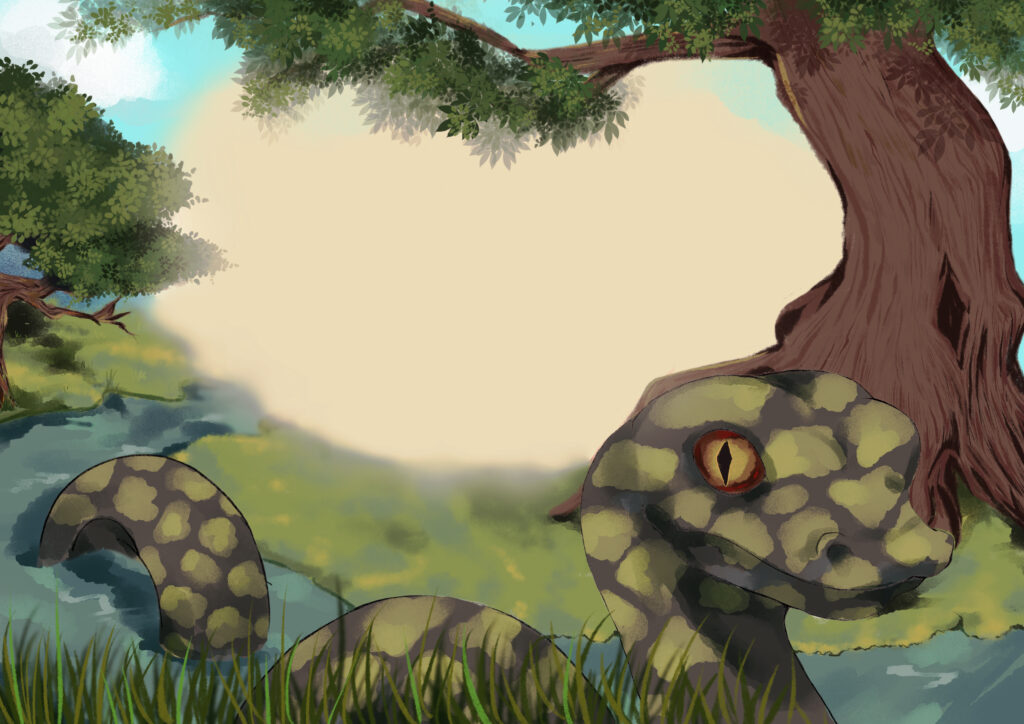
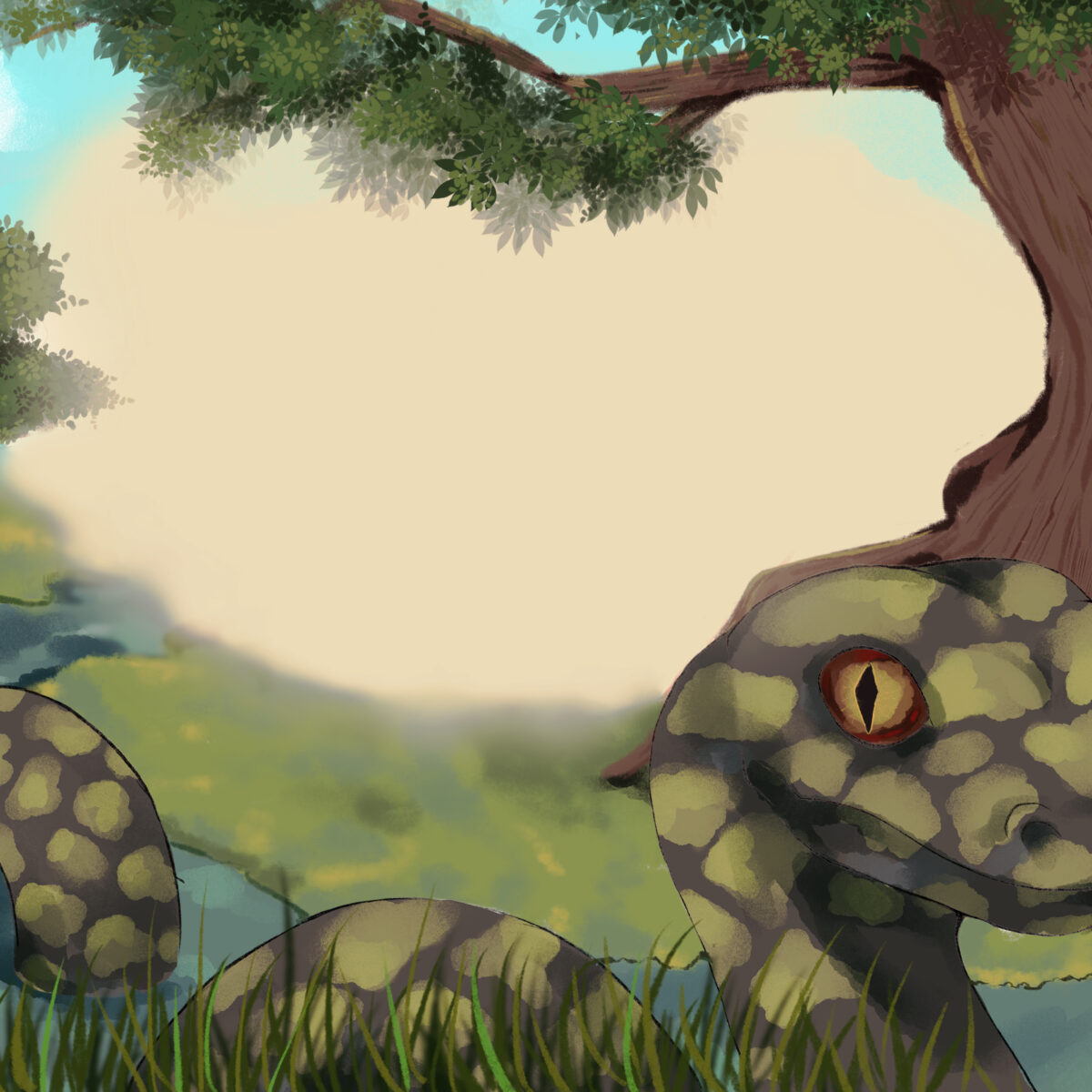
Animals have long been an important part of Borneo island’s cultural legend and the fearsome, slithering Nabau is no exception. The awe-inspiring mythical creature is said to be a huge water dragon or snake that is the guardian of the jungle’s waterways and the community who protects them, bringing natural disasters like floods or landslides if angered or disturbed. The Nabau is also said to be able to shapeshift into humans and other creatures, and can transform into a python. If a small snake is spotted near these depths, the community of the Ngaung Keruh village in Kalimantan Barat believes it to be one of Nabau’s servants. Despite being a well-known legend in Borneo’s tribal culture that also features heavily in local art and craft, stories and documentation of the Nabau vary across oral traditions thus making it difficult for a cohesive collection of facts that can represent the island’s history. Dian Hardiyanti, an independent researcher, and ethnoecologist, Ditro Wibisono P. attempt to bring some clarity and vital connection between preserving the legend and the region’s natural ecology in their latest research paper “Nabau: Ecomythology of Bornean River Deity”.
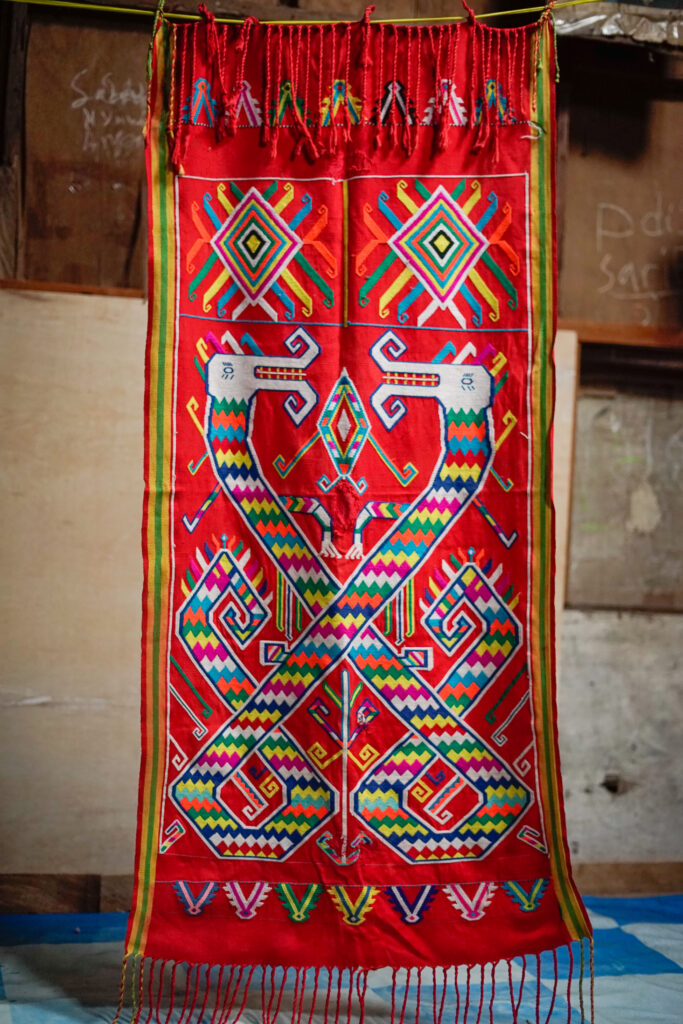
“My personal interest was to dig into the wisdom about stories behind the Nabau pattern,” explained Hardiyanti. The pair made often long and difficult journeys to personally meet and interview the remaining master weavers living in remote kampongs, collecting stories and data that could give them a greater insight into the legend and use of the Nabau icon in tribal culture while connecting it with local context on weaving and global issues like climate change and biodiversity threats. The image of Nabau frequently appears in various forms of visual art and handicrafts, according to their paper, most commonly in tattoos, woven bemban mats, textiles, and wood carvings. “When a weaver depicts the Nabau in their weavings or mats, they must always create pairs — an even number of serpents. If only one is illustrated, it is believed that the spirit within the design will haunt the weaver,” it is noted. A villager from Dusun Lauk Rugun is said to have recounted that Nabau’s spirit appeared in the dream of a weaver, claiming her as his bride and threatening to take her soul into the realm of Nabau — the spirit world.
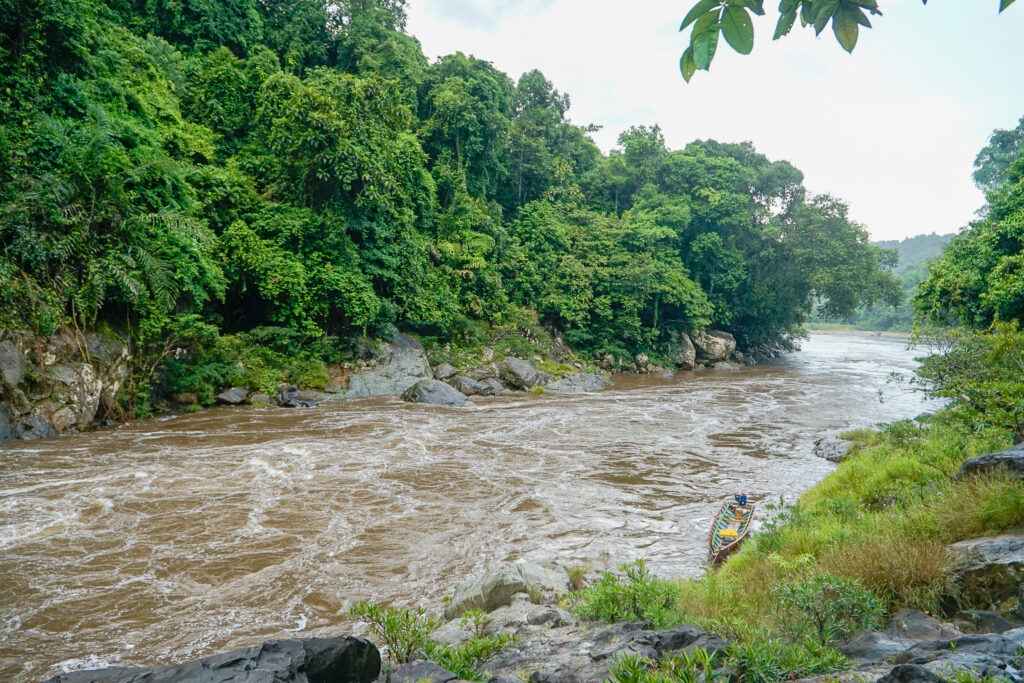
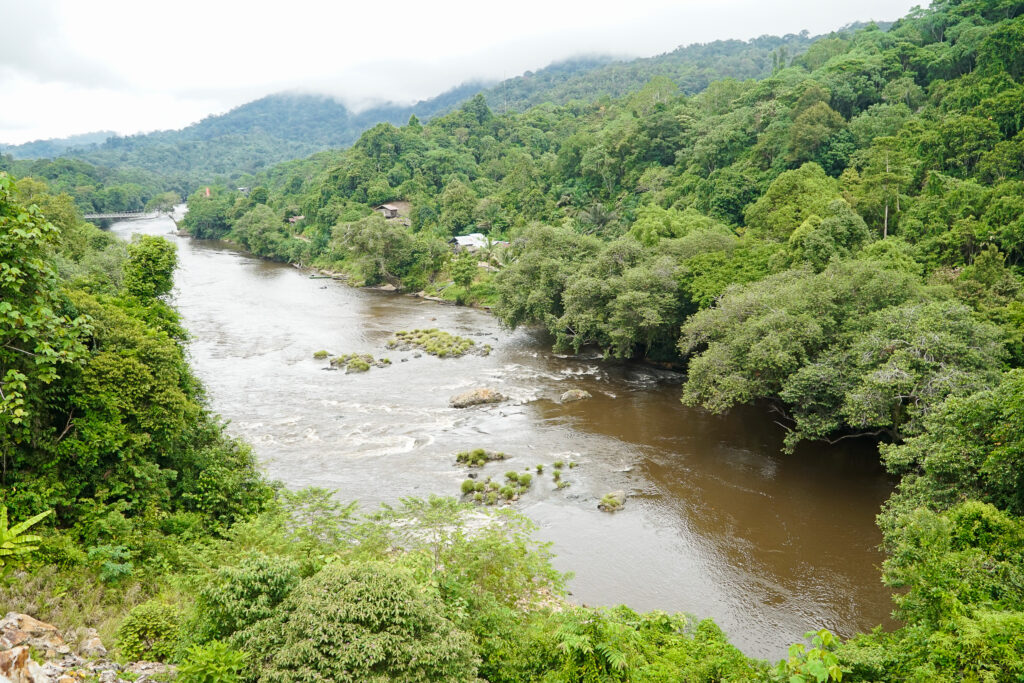
The new article also delves into the link between the Nabau’s supposed lair and the “thalweg”- a term for the line connecting the deepest points of a river, often where the flow is the fastest; there perhaps is a certain purpose or reasoning for this correlation to the ecologically significant feature of a river’s topography especially when it is considered that the “thalweg” plays an important role in shaping the riverbed and creating and supporting the river habitats of many species. “Historically, Bornean communities have cultivated a symbiotic relationship with their rivers, guided by traditional ecological knowledge and the Nabau myth,” Hardiyanti and Wibosono point out, adding that the communities’ sustainable fishing practices and careful riverbank management reflect a profound respect for the waterways, recognising their dual nature as sources of sustenance and potential danger.