Written by Ying Chia |
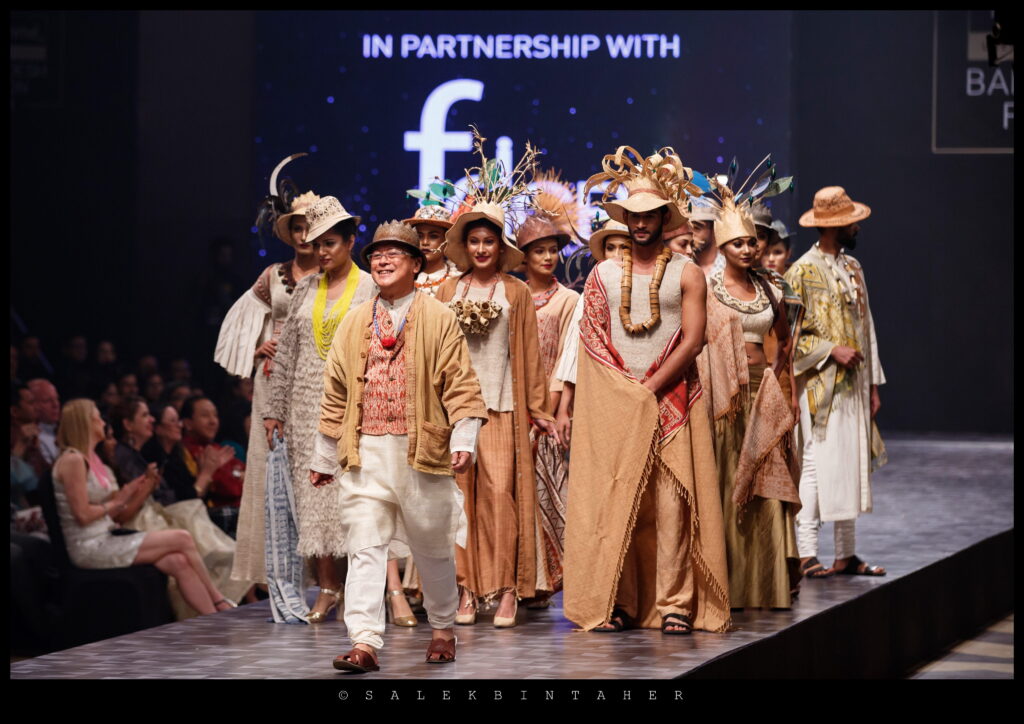
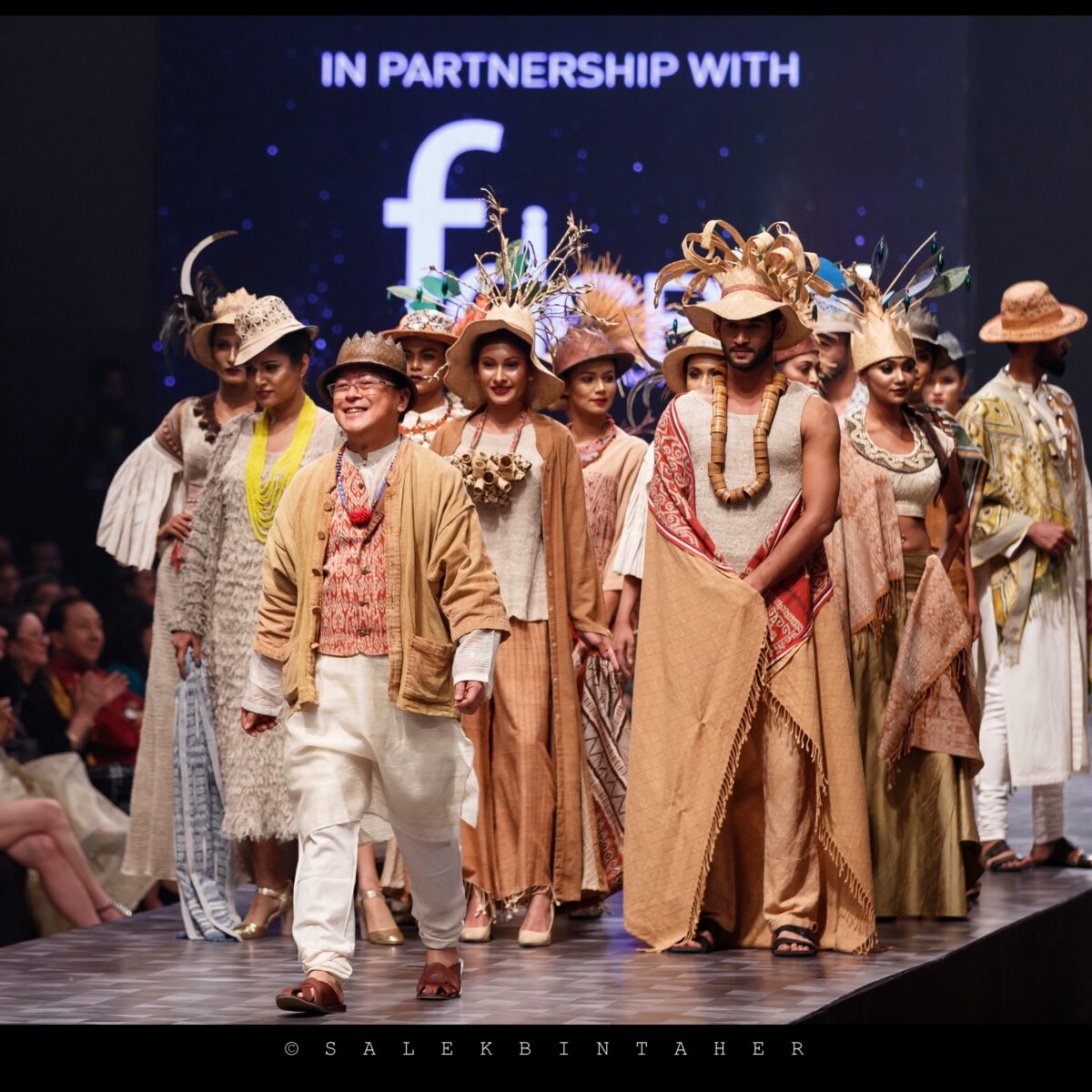
He’s known as one of the leading authorities on indigenous Bornean textiles and traditional crafts, and with a resume that has led Edric Ong down a lifetime of discovery and tireless dedication to preserving and showcasing Borneo’s unique traditional heritage crafts to the rest of the world. The former architect spent almost 30 years crafting buildings before diving into the world of fashion with his own brand, Edric Ong. Over the years, Ong has not only helped to showcase the beauty of Borneo’s crafts and traditional knowledge but elevated its status to couture worthy outfits and international platforms. His now iconic hat inspired by the Iban’s ‘topi tunjang’ is a key feature at all Edric Ong shows. We had a great chat about the fun in fashion, the beauty of putting a little spin on things, and what’s next for the intrepid crafty man.
–

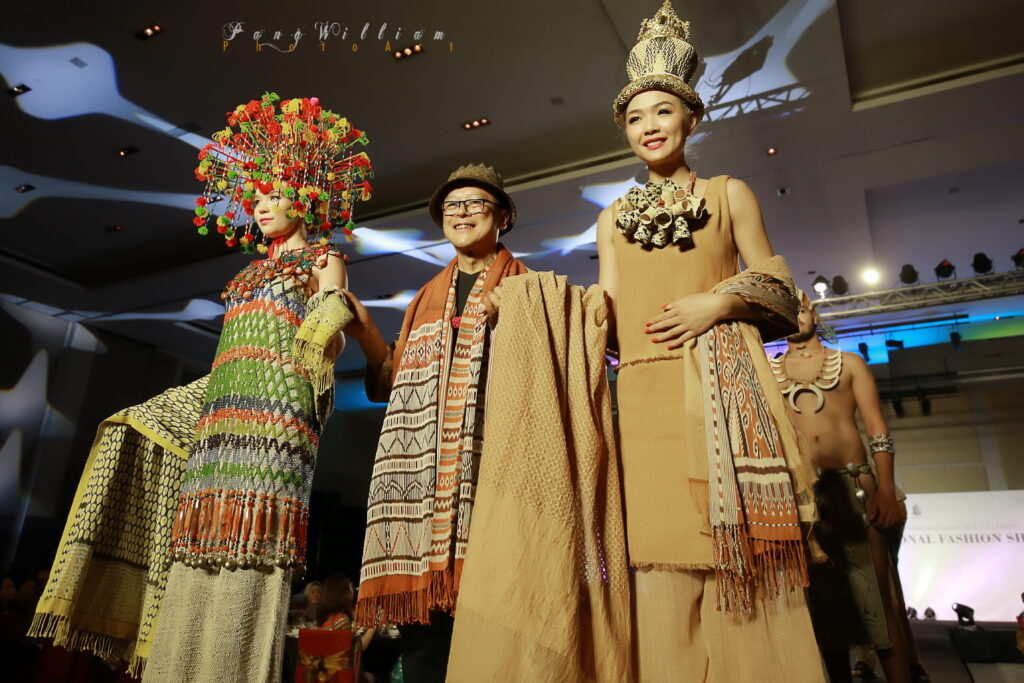
Fashion is as much about letting go of borders and boundaries, as it is about respecting them – can you share more about your fashion journey in this respect?
Edric Ong: I was interested in preserving these endangered crafts, and creating traditional dyes. I also introduced silk dyes into the Iban tribe I work closely with for Edric Ong Fashion; it’s not traditional in that sense but this was the best way to pitch the traditional crafts into the international fashion real and market, and to get it noticed there. My family is Peranakan, so we have a very varied family — lots of intermarriages with other indigenous tribes like Bidayuh, Iban etc. I also followed my dad to the interiors of Sarawak when he was the Director of Inland Fisheries and I saw that the cultural materials were being lost. I founded the atelier with this intention in mind. In 1985, I had my first major exhibition and in 1988, I started to distribute silk to different tribal groups with the challenge to see it they could work with it. We only managed to come back with successfully dyed fabrics from one tribe.
–
How did you get started with moving from architecture to designing clothes? Did you take any lessons or courses or did you already have an existing passion for clothes and textiles prior to the shift?
Edric Ong: I have no formal training in fashion. As a teenager, I followed my mother (was an immaculate Nyonya lady who innovated the Kebaya dress for herself) to the fabric shops and tailor. And also my elder sister, who was very fashion conscious. Later on, my first designs were wedding dresses for my cousins! IN secondary school, at St. Thomas in Kuching, I was keen on wood block prints and experimented using banana stem printing on my old shirts!
–
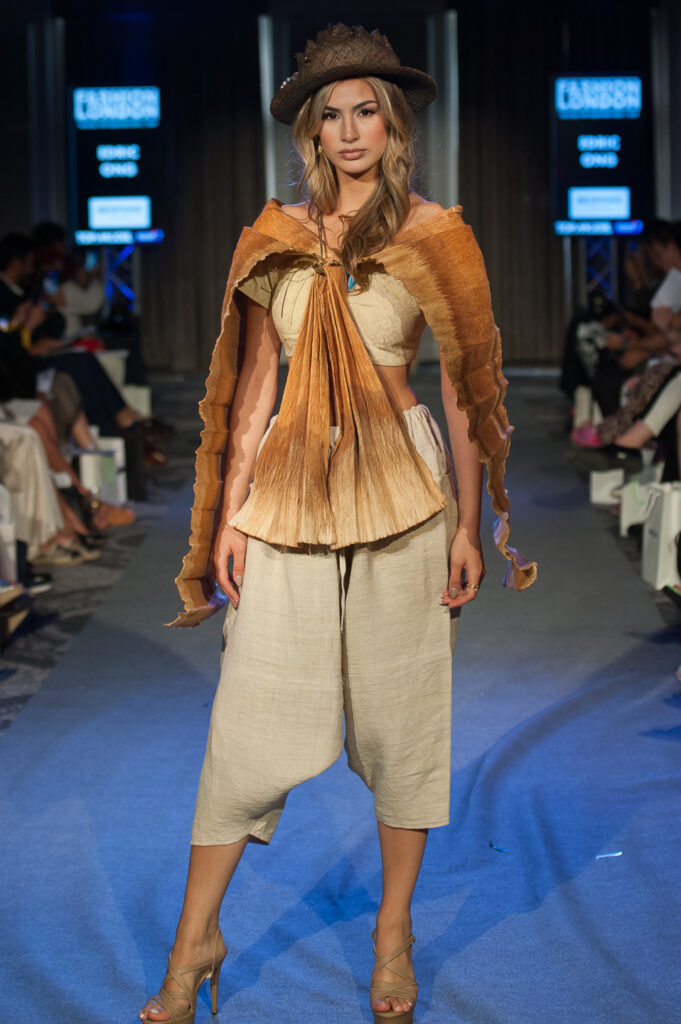
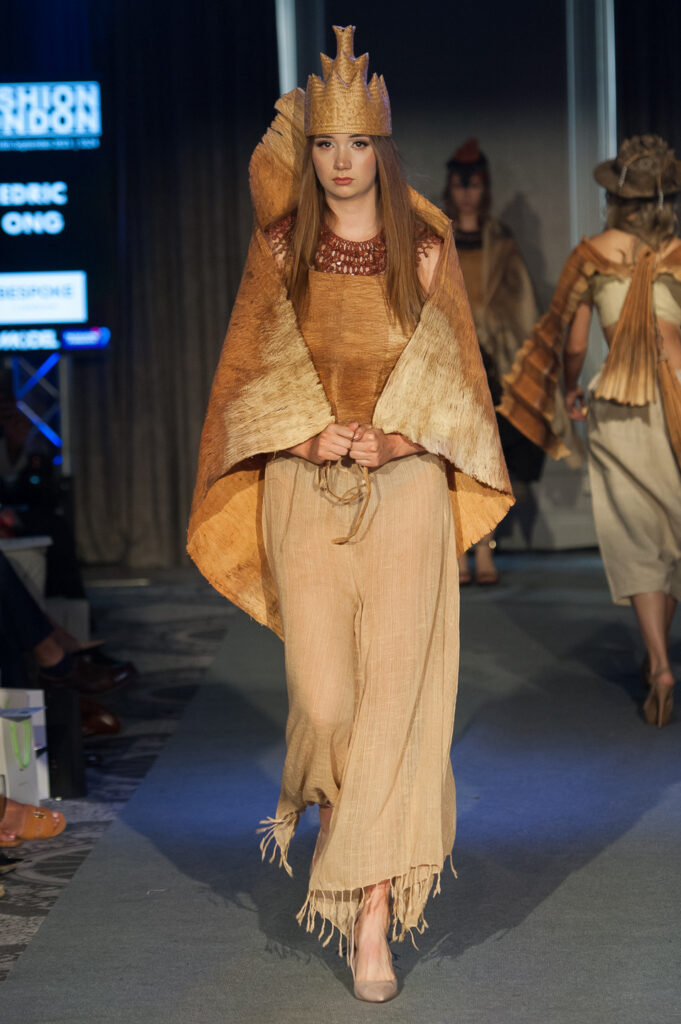
How do you walk that fine line between innovating and creating versus keeping to traditions?
Edric Ong: I guess you’re talking about cultural appropriation in this context? I’m always trying to look into the future and you know, culture isn’t stagnant — it’s something that is always on the move. This new silk fabric also made them proud and it gave prestige to their leaders to wear them. They’d also wanted to do something different and have supported me with all the things that I’ve done. I work with them very closely so there were no objections there as I’m also always promoting the weaver artists and working for them to be recognised.
–
Your latest ‘Tempest’ collection seems to be focused more on a very wearable silhouette — almost city chic. Was it intentional?
Edric Ong: Yes. Tempest is definitely a more ‘wearable’ collection! Last year’s was more artsy and couture. I was looking for a tropical equivalent to the Japanese ‘kakishibu’ technique, and I’ve got a lot of wild figs growing in my garden which i crushed and processed, dyed the fabrics and then just let it out in the sun to set. No need for a mordant! The fermented juices of this naturally abundant created that distinct khaki colour, and I’m really proud to have discovered this as I really wanted to create all the details in this collection. It’s all inspired by climate and you can see that in the motifs as well with the clouds and other designs.
–
Your hat based on the Topi Tunjang is now iconic! What was the process like of creating it? Do you have any favourite pieces that you’ve designed over the years?
Edric Ong: I was at the Rumah Garie (longhouse) where I’ll often be sitting and talking to my weaver, and she was showing this hat she was doing at the time. It was the Topi Tunjang, which is a brimless, round hat. I was playing around with it and flipped the inner facing brim outward. So i asked her if she could make one like that with the outer brim and the little points at the top. We do have a store of our archival pieces — some things that I really don’t want to sell. There’s one piece inspired by Bugaku — the Japanese traditional dance that has been performed to select elites, mostly in the Japanese imperial court. Everything in that piece was made using shibori techniques and hand stitched.
–
You mentioned having a stored archive of favourite pieces? What pieces or collections did you find particularly challenging to produce and why?
Edric Ong: My most challenging collection was a collection themed ‘Botanica’ that I produced for the STYLO MERCEDES BENZ show in Kuala Lumpur, using solely natural dyes made from tropical flowers which I then dyed onto hand woven silks. I had to go around collecting enough red hibiscus, yellow allamanda, purple morning glory flowers, etc., in order to dye the silks! The widths of my handspun silk limited my design by the constraints made me think outside the box to the results that it earned me the Designer of the Year in 2019.
–
Did you ever merge your knowledge or interests as an architect with your fashion collections?
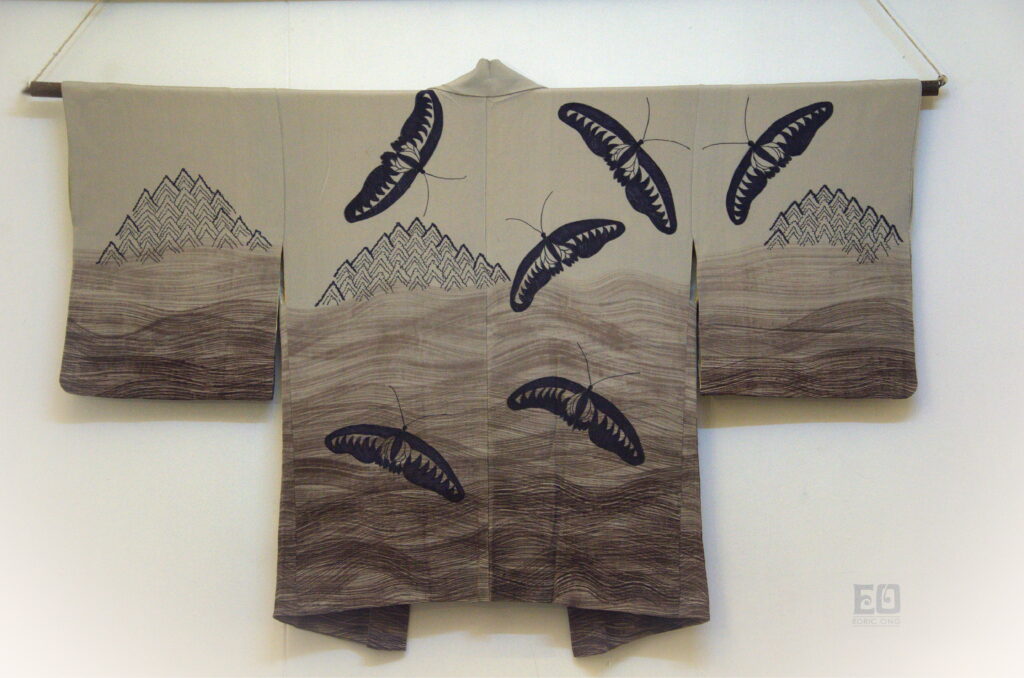
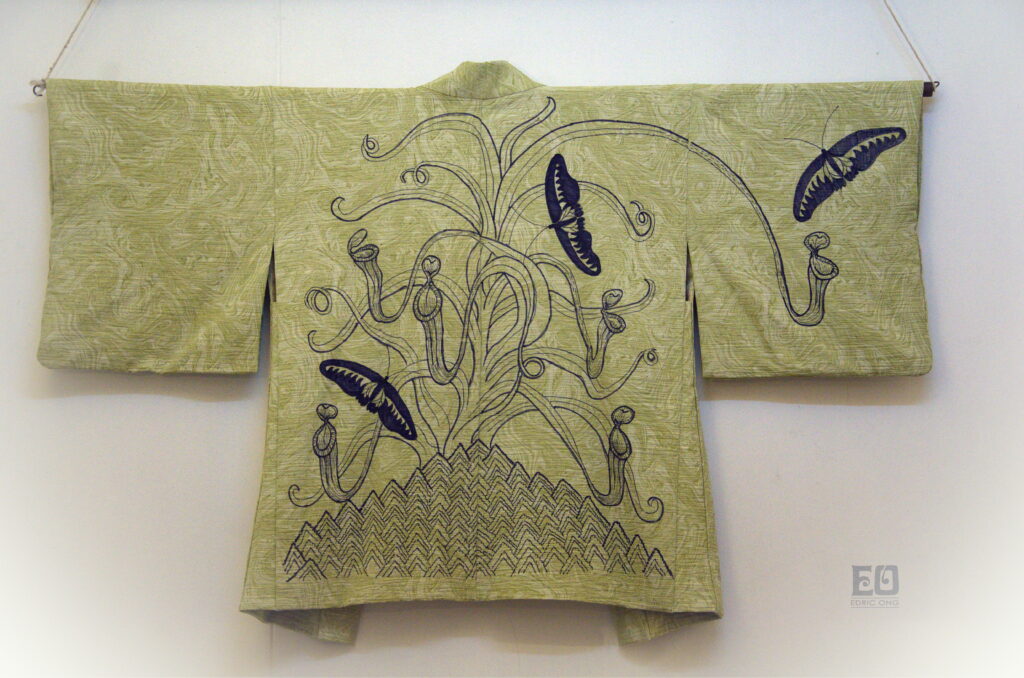
Edric Ong: Yes, during the Covid-19 lockdown I managed to spend time at my home studio hand painting my silk kimono tops using architectural drafting techniques of black ink and pen. I created mountains and clouds and waves. I exhibited that collection at the Four Seasons Mall gallery in Kuala Lumpur with the theme ‘Artist in Nature’. My Bark Cloth collection for London Fashion Week 2023 was also a play on Form and Textile manipulation.
–
What’s next for Edric Ong?
Edric Ong: We’ll be doing a collection of items for a craft art biennale in Paris at the Grand Palais in May this year, titled ‘Revelations Paris’. I met the organiser at an event in Chile, and we became friends. There will be pieces of mine amongst the others which include wood, recycled metal, ceramics and mixed media!