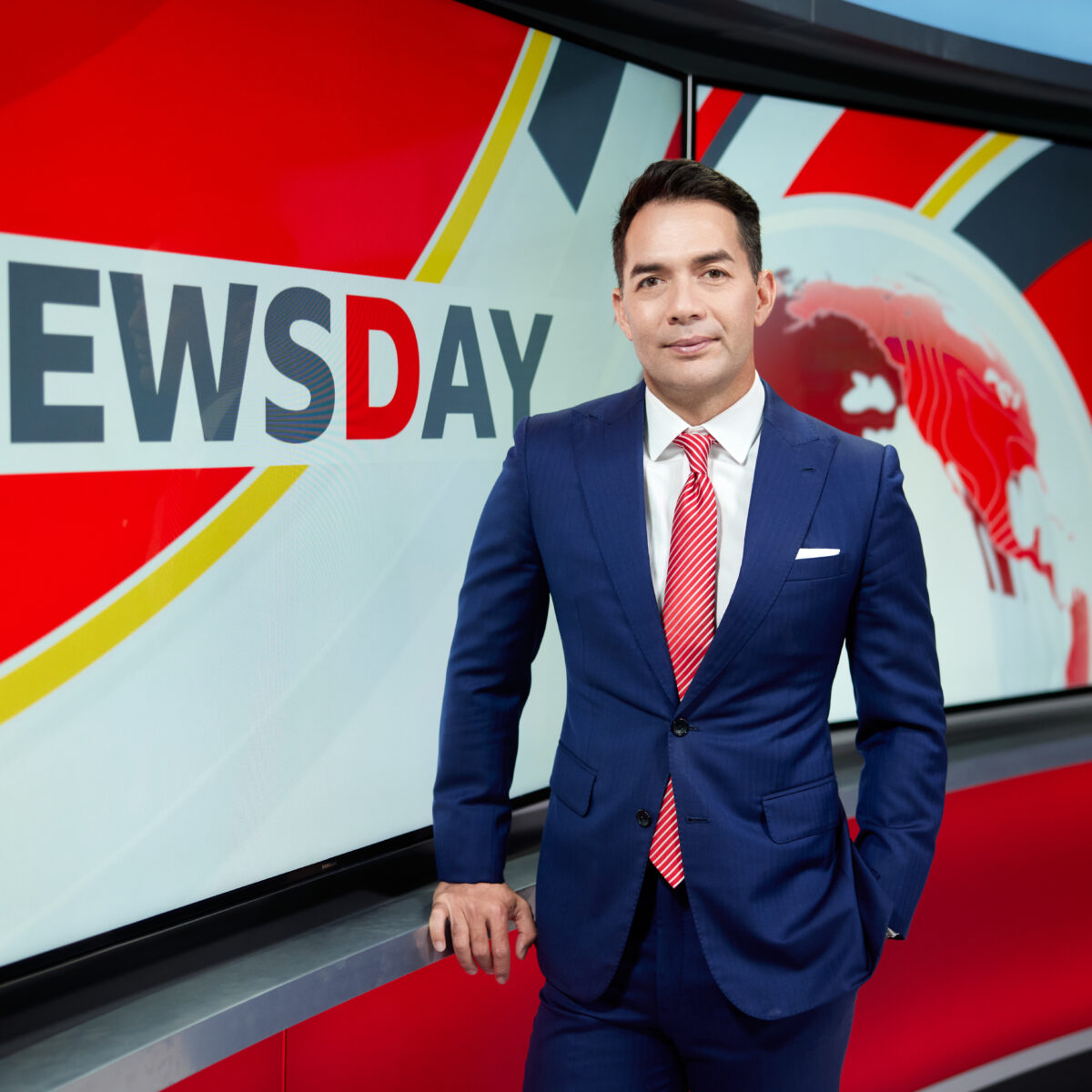
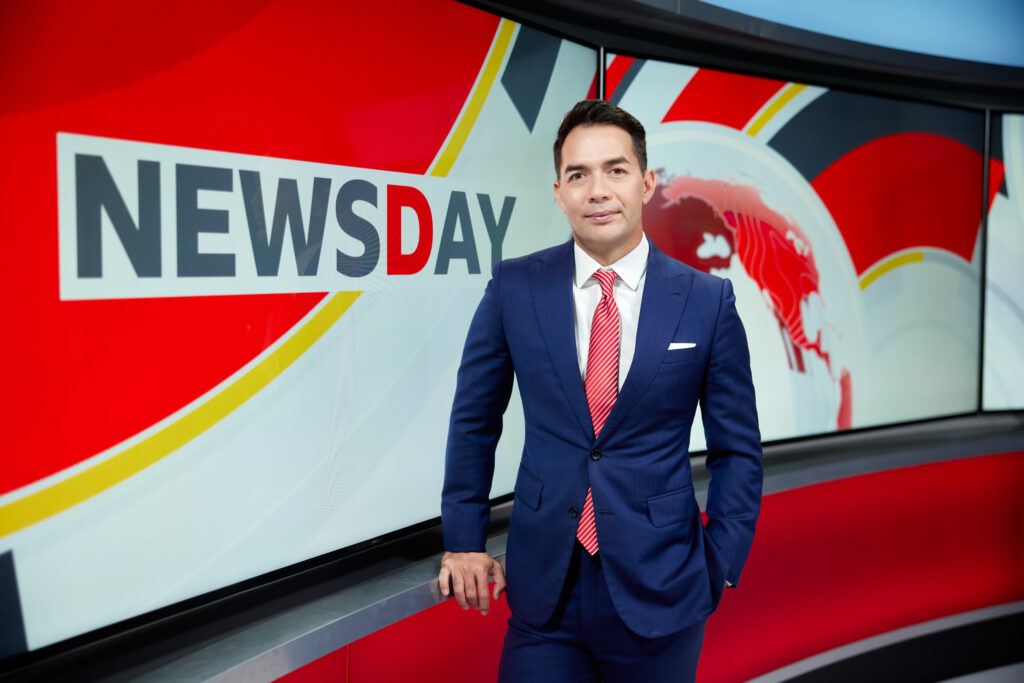
What began as a fledgling pipe dream, has turned into an illustrious decades long career for news anchor Steve Lai — a move he attributes to his wife Wei — without whom, he says he would surely be still living in Brunei, many kilos heavier! The real-life anchorman has recently joined the ranks at BBC as Chief Presenter based in Singapore where he still resides with his wife and kids, after 12 years as co-host of Channel News Asia’s morning news show and award-winning special programs. We sat down for a chat with Steve to talk new beginnings, where he gets his news and what life in a faster lane feels like.
–
First of all, congratulations on the move to BBC, very exciting for you! How have you adapted to the new position and what did you experience or that you’ve been surprised by?
Steve Lai: Hm, well I didn’t think I’d be doing quite as much travelling as I have been doing. The BBC obviously is a big operation but the Singapore office is small in comparison and Asia’s quite a big place. But soon after joining I found myself travelling quite a bit for coverage of the Taiwan and Indonesian elections. I knew there would be some travel involved and the chance to do different things but I was a little bit surprised at just how much opportunity to travel I’ve had with the job.
–
Skills-wise, is there anything that you were really excited to learn more about or to do more of in terms of perfecting that?
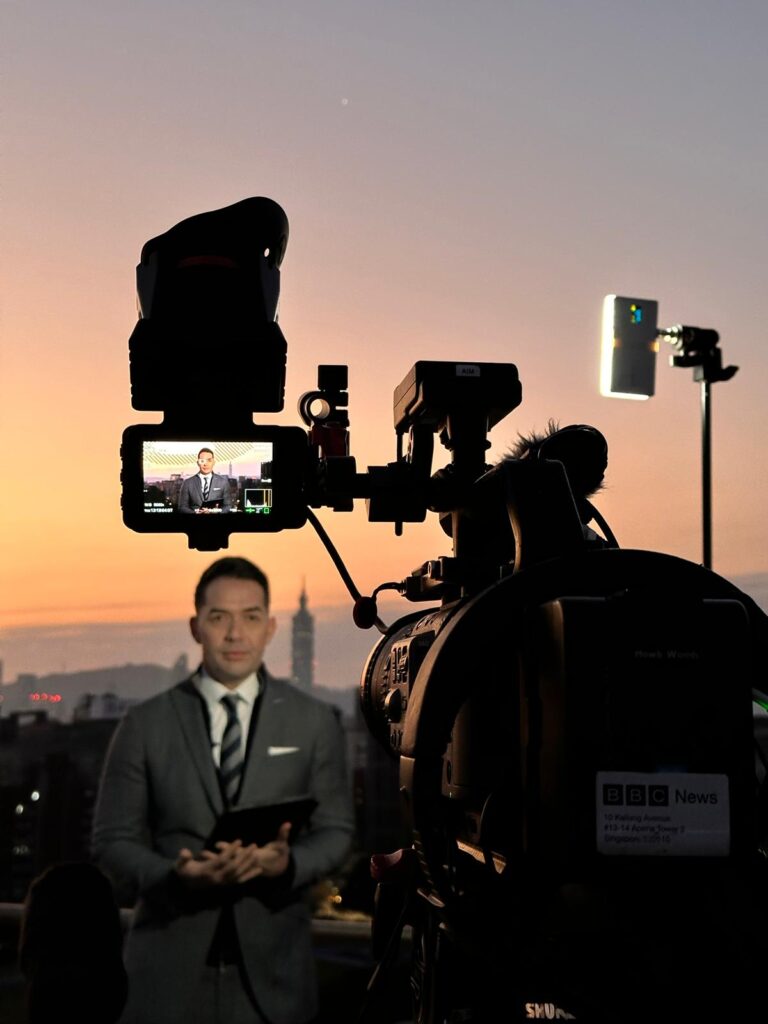
Steve Lai: Yeah, I was predominantly studio-based at CNA, and especially during COVID, there wasn’t much travel, but being at the BBC, I’ve had the opportunity to do different types of presenting, like presenting outdoor broadcasts, playing the role of a correspondent, to doing some radio and things like that. And because I am the main presenter for Asia, that means I’ve had the opportunity to do more of everything, really. It’s been quite a learning curve because everything at the BBC is so fluid; for example, when I was on a rooftop in Taiwan during the election coverage and we were doing normal news bulletins at the same time. So i would interject with bits of the election and then come back to general news, then go back. There’s a big emphasis at the BBC to be “live and breaking” all the time. I had people talking in my ear during live interviews that I’m having, that are getting me up to speed with other news. There’s a lot to juggle but that’s the fun of being somewhere, trying new things and going to different places to do such big stories.
–
You’ve got to juggle a lot in the moment. How do you kind of manage that ‘stress’ and stay calm?
Steve Lai: Yes, it comes with practice and the more you do it the more you learn ‘What’s the important bit I need to get out’. I don’t think too far ahead in the program, when it comes to that sort of thing. As long as I know where I am what I’m doing and where I am going next in terms of bulletin, then I’m okay. You have to have the trust of the people in your ear telling you what’s going on. One example; I think I was in the middle of a conversation taking about Tawiwan and then someone in my ear said “Okay, we got some breaking news – the UK and the US are launching missiles into Yemen at the Houthi rebels” and its was like wait, but I’m talking about Taiwan. So you’ve got to find a way to segue smoothly into “Okay we’ve got some breaking news to get you up to speed with in the Middle East’.
It’s very important for me to be well-read on different events that are happening around the world, so when stuff happens at least I have some context that I can lean on to help me move from one story to another and to fill in the audience about what’s happening. So, it’s not just in front of the camera that is demanding of me but there’s a lot more expectation to be aware of what’s happening across lots of different stories.
–
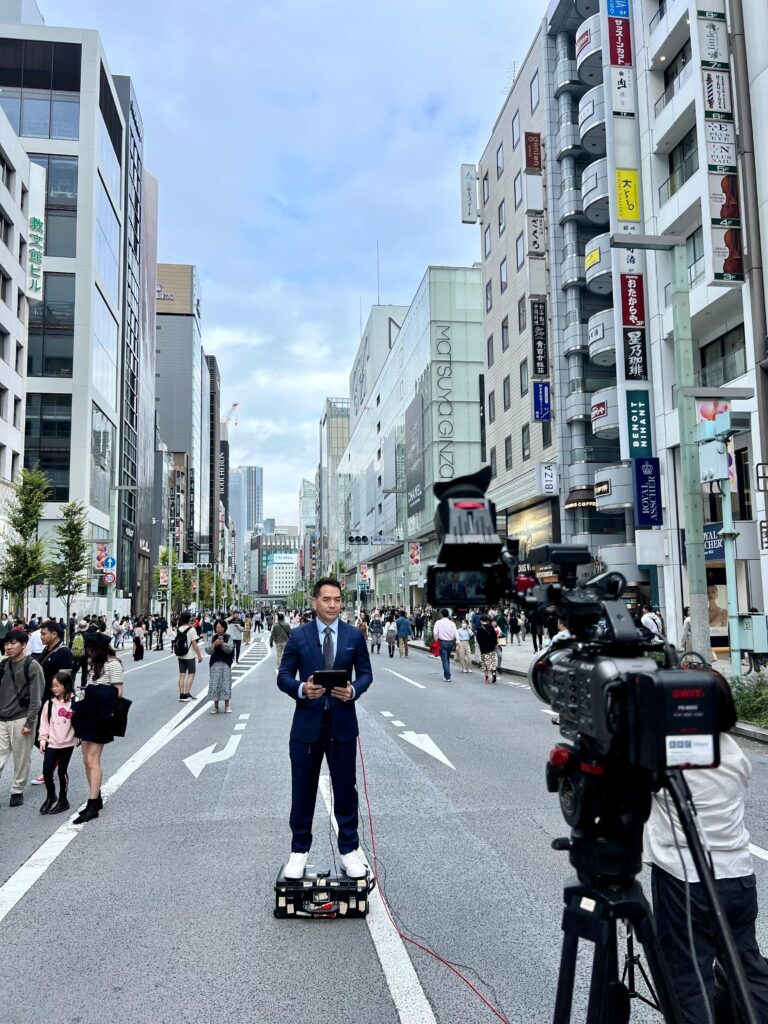
On that note, what do you usually read? Are you a newspaper guy or are you scrolling on the phone?
Steve Lai: I don’t remember that last time I picked up a newspaper to read it — there’s just so much information out there online and the BBC is obviously a great resource for that. There are also other news organisations that specialise in different things too. I listen to alot of podcasts, politics podcasts, business podcasts, I find that a good way to receive information. I spend so much time looking at a screen and reading things and sometimes it’s easier sometimes, if I’m on a commute, or if I’m in the gym or something to just have a podcast on, so I pick up little nuggets here and there.
–
Okay cool! You’ve come a really long way from your days growing up in Muara Town. What do you credit to how far you have been able to come so far?
Steve Lai: Hm. I’ve never really thought about it in those sort of terms, it’s just been like one step at a time. Getting out of Brunei was the turning point of my career. But it didn’t come straight away so really the credit has to go to my wife, Wei. If not for her brilliance, and getting a job opportunity in Singapore — that was what got us here and that’s what also enabled me to have a clean slate in terms of pursuing a different career. She was really patient with me. I used to work in the BEDB (Brunei Economic Development Board) in Brunei doing investment promotion, trying to help Brunei diversify away from oil and gas. So, when I got to Singapore, I thought I’d like to try something else and she was very supportive. I thought maybe TV could be something I could get into. I’d done a bit of stuff on RTB before I left for Singapore so I thought I could do something along those lines. I love sport — it’s always has been a big part of life and I was very fortunate that I won a competition that enabled me to present on ESPN and that led to some part-time work there which led to more work, which eventually led me to doing general news at CNA.
But it wasn’t like an overnight thing. I mean I was in Singapore for over a year before I even started at ESPN. During that time, I had voice lessons, did some acting classes, some theatre, commercial work, corporate videos, voiceover, radio, anything that would get me more confident in front of the camera because it wasn’t something that came naturally to me. But because Wei had this good job in Singapore, i was able to pursue all these things. So the break came really with the ESPN gig. Once I landed that and been there for a year and a half, that opened the door to CNA, where I worked nearly for 12 years. In that time I worked all sorts of shifts — overnight shifts, weekend shifts, slowly getting to do more of the mainstream or prime time shows. By the time I’d left I had kind of done everything at CNA. I’ve done Singapore elections, the US elections , the Trump-Kim summit, I’ve done the regular Monday to Friday primetime shows in the evening and morning primetime shows. But non of this stuff happened overnight, it’s been a long road of trying to do a bit better every day and trying to think of the next step ahead. But it all comes back to Wei. If she wasn’t as smart and hard-working and brilliant as she is, then none of this would’ve happened. We would still be back in brunei and I would be at least 20 kilos heavier I think!
–
I believe that last part for sure! Going back to the voice classes, is there a skill or secret voice you lowkey love to do when no one is around?
Steve Lai: No, voice classes were more exercises right, like how to warm up your voice, how to learn to project, how to present, and people that were in the class were there for all different reasons. Some wanted to be radio personalities or wanted to just do work presentations better. Or they wanted to do voiceovers. I wanted to know or to learn how to make use of my voice because it’s an instrument, right? How to make use of it when it come to presenting. How to talk without ‘uhm’-ing and ‘ah’-ing so much, or how to make sure I have enough breath to get through a sentence. It’s also important too in the grand scheme of things when it comes to TV. All the lessons I learned helped, just warming up your voice with yawning, sighing and things that loosen your vocal cords. I quite like tongue twisters for speaking clearly, because you have to over- enunciate everything you say.
–
You’ve been described by a peer as being “born to inspire and inform fellow Asians from the TV chair, in the studio”. How do you feel about people sort of looking at you as being born to do this thing that you kind of fell into by accident a little bit?
Steve Lai: Yeah the intention behind it is obviously very complimentary and flattering. But there is a lot of work and putting yourself out there for rejection with the job I do. It’s not like I’m a pro athlete that has some innate ability or something like that. And even that comes with hours of hard work if you look at Tiger Woods’ career, everyone would talk about how talented he was but the guy worked harder than anybody else. Cristiano Ronaldo as well; we think about how he’s a flashy player, like he was born with skill but if you look into his career actually, he just worked so hard. I guess it’s a romantic way to look at things, that someone is ‘born’ or ‘destined’ to be something but in reality is that it’s a mix of right place, right time, circumstances and doing the work that needed to be done when it was done. In the industry that I am in, a lot of it comes down to trust. So for example just getting on-air for the first time, I was coming to CNA as a sports guy and obviously the boss needed to trust that I could do general news and had the right attitude to deliver that sort of news in a responsible way without getting caught up in the emotions of stories and things like that. Stories can get quite emotive and in the news you have to be very impartial. I think, how you are as a person plays a big part in that — that people can trust you will be responsible to do the job.
–
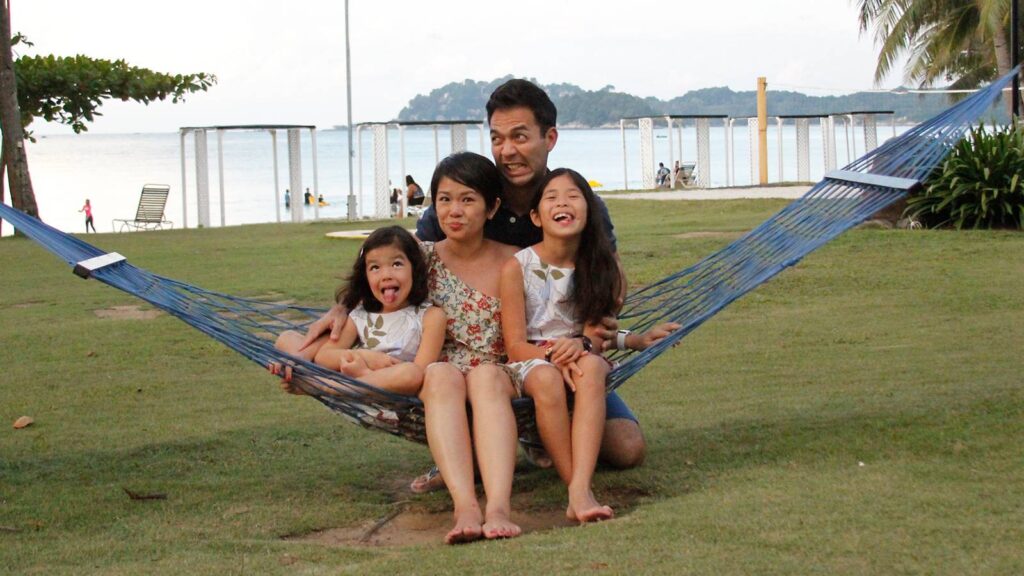
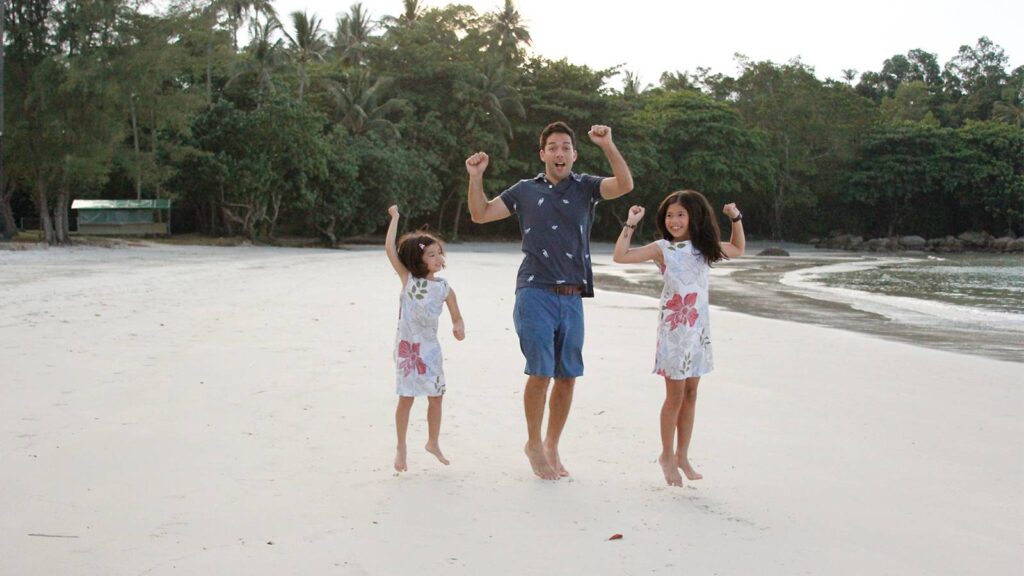
You are fully into dad life now. And there’s this mantra that you apparently say to your kids. Where did that mantra come from or what was it inspired by?
Steve Lai: Yeah, it kinda started along those lines when my oldest daughter was going to school, and we just wanted her to have something to be mindful of throughout the day. It was ‘Word hard, Play hard, Be kind, Be brave, Have fun’. So, I think if you can do all those things or think about one of those things each day, then you’re on the right track. It feels like a bit of perspective right, like you gotta work hard but you gotta find time to play hard too. Be kind to those around you, be brave because things aren’t always going to be easy, and to have fun along the way. That was our little mantra for the family.
–
Okay, so last question. You have asked a lifetime of questions to people. What is the one question that you wish people would ask you more?
Steve Lai: Woah, that’s a really good question. I’m much more comfortable asking questions than answering them. I ramble a bit when people ask me questions because I’m so not used to it – as you can tell I’m kinda buying time right now. Haha! I don’t know that I find myself that interesting that I wish someone knew something specific about me. The question I get asked the most is “Where are you from?”. My whole life, regardless of what country I was living in. So it’d be nice if people ask me where I was going as opposed to where I am from. Yeah, I think that’s a more interesting question — “Where are you going?” or just “Where are you going today?”. A more forward-looking question, I prefer those.